
Jp1081b Usb Lan Driver Here
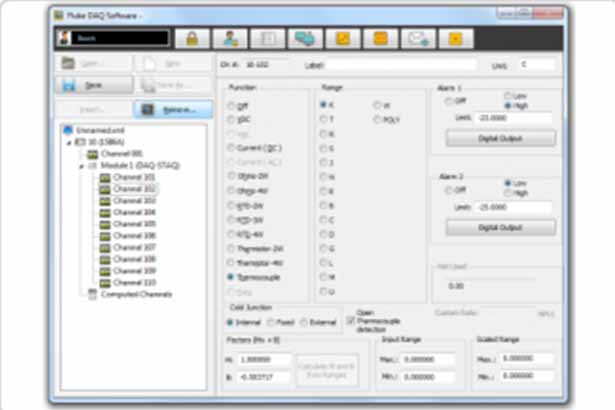
Simply connect your 2638A, 1586A, NetDAQ or 2680A Series to your computer and your current hard¬ware configuration will pre-populate in the configuration setup area, ready to edit if needed.


Simply connect your 2638A, 1586A, NetDAQ or 2680A Series to your computer and your current hard¬ware configuration will pre-populate in the configuration setup area, ready to edit if needed.
The JP1081B USB-to-LAN adapter is a widely used, budget-friendly hardware solution designed to provide a wired Ethernet connection to devices lacking an RJ45 port. Utilizing a variation of the Realtek or Corechip semiconductor chipsets, these generic adapters are frequently found on e-commerce platforms under various unbranded or white-label names.
Select "Browse my computer for drivers" . Click Browse , select the folder where you extracted the driver files, and click Next . Windows will read the .inf file and initialize the device. 2. Windows 7 and Older Systems
Right-click the device, select , go to the Details tab, and select Hardware Ids from the dropdown.
Right-click the device and click Update driver . Browse Manually: Choose Browse my computer for drivers .
Run the Setup.exe file inside the corresponding Windows folder.
Requires Apple-signed drivers or disabling System Integrity Protection (SIP) for unsigned clone variants. Note: USB 2.0 legacy network chips face restricted stability on Apple Silicon (M1/M2/M3) chips. Linux & Android
The JP1081B USB-to-LAN adapter is a widely used, budget-friendly hardware solution designed to provide a wired Ethernet connection to devices lacking an RJ45 port. Utilizing a variation of the Realtek or Corechip semiconductor chipsets, these generic adapters are frequently found on e-commerce platforms under various unbranded or white-label names.
Select "Browse my computer for drivers" . Click Browse , select the folder where you extracted the driver files, and click Next . Windows will read the .inf file and initialize the device. 2. Windows 7 and Older Systems
Right-click the device, select , go to the Details tab, and select Hardware Ids from the dropdown.
Right-click the device and click Update driver . Browse Manually: Choose Browse my computer for drivers .
Run the Setup.exe file inside the corresponding Windows folder.
Requires Apple-signed drivers or disabling System Integrity Protection (SIP) for unsigned clone variants. Note: USB 2.0 legacy network chips face restricted stability on Apple Silicon (M1/M2/M3) chips. Linux & Android