

Upload a photo, sketch, or reference image and generate a textured 3D model for games, prototyping, or 3D printing in seconds.
Upload a photo or reference image and generate a complete 3D model in seconds.
Convert a drawing, sketch, logo, or flat design into beautiful 3D model.

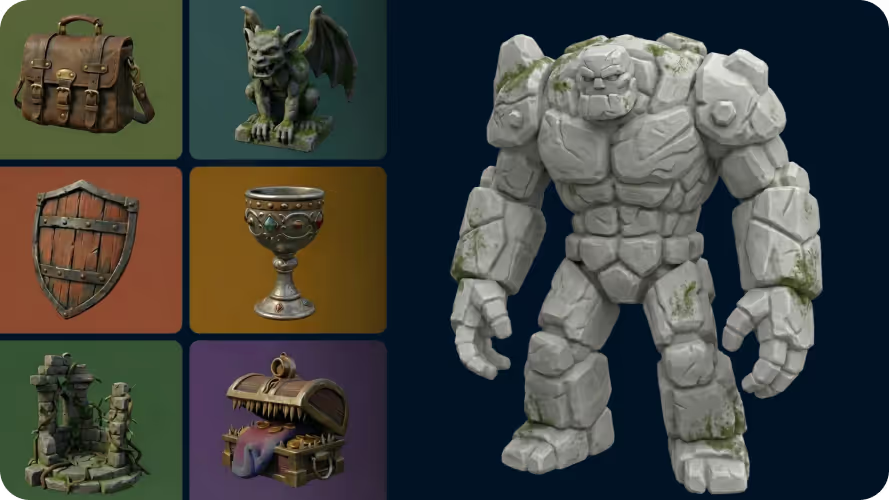

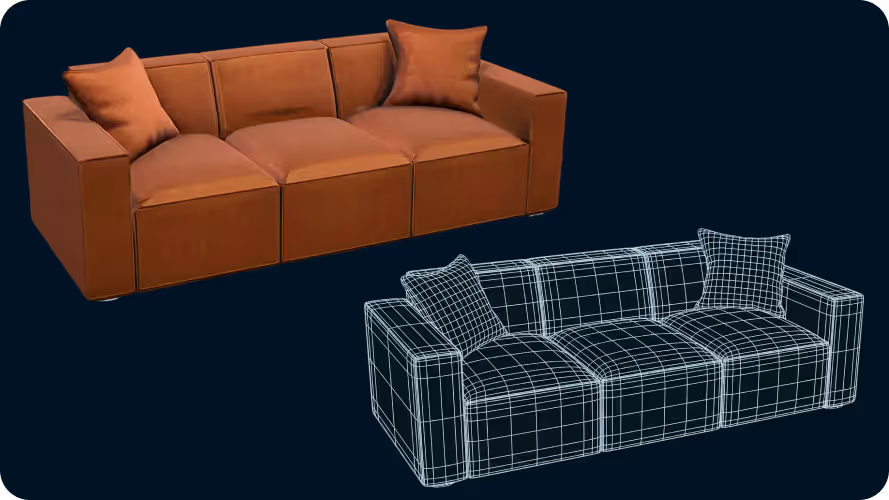

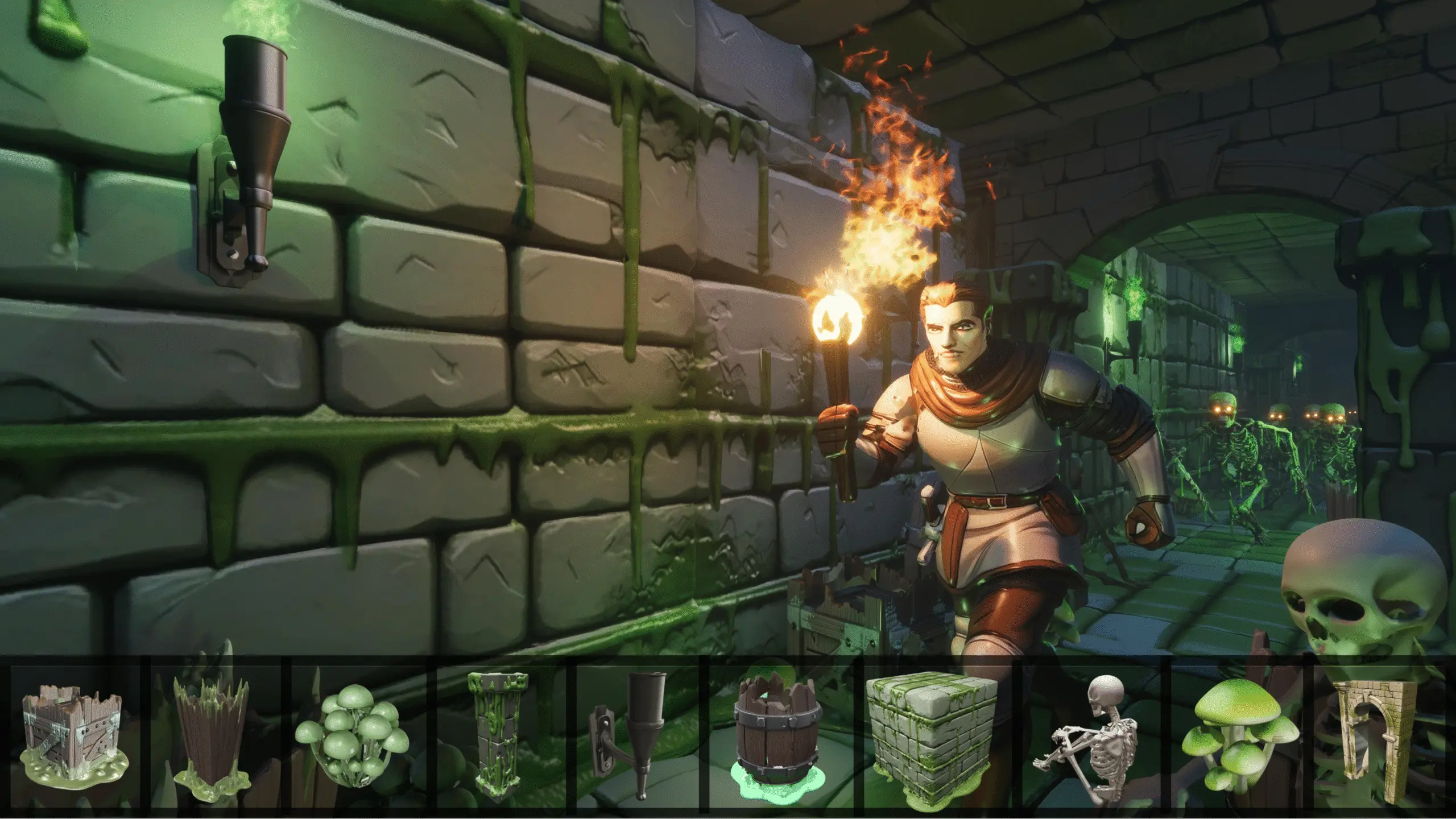
Export clean .fbx, .glb, or .obj files that drop straight into Unity, Unreal, Godot, Roblox Studio, and more.
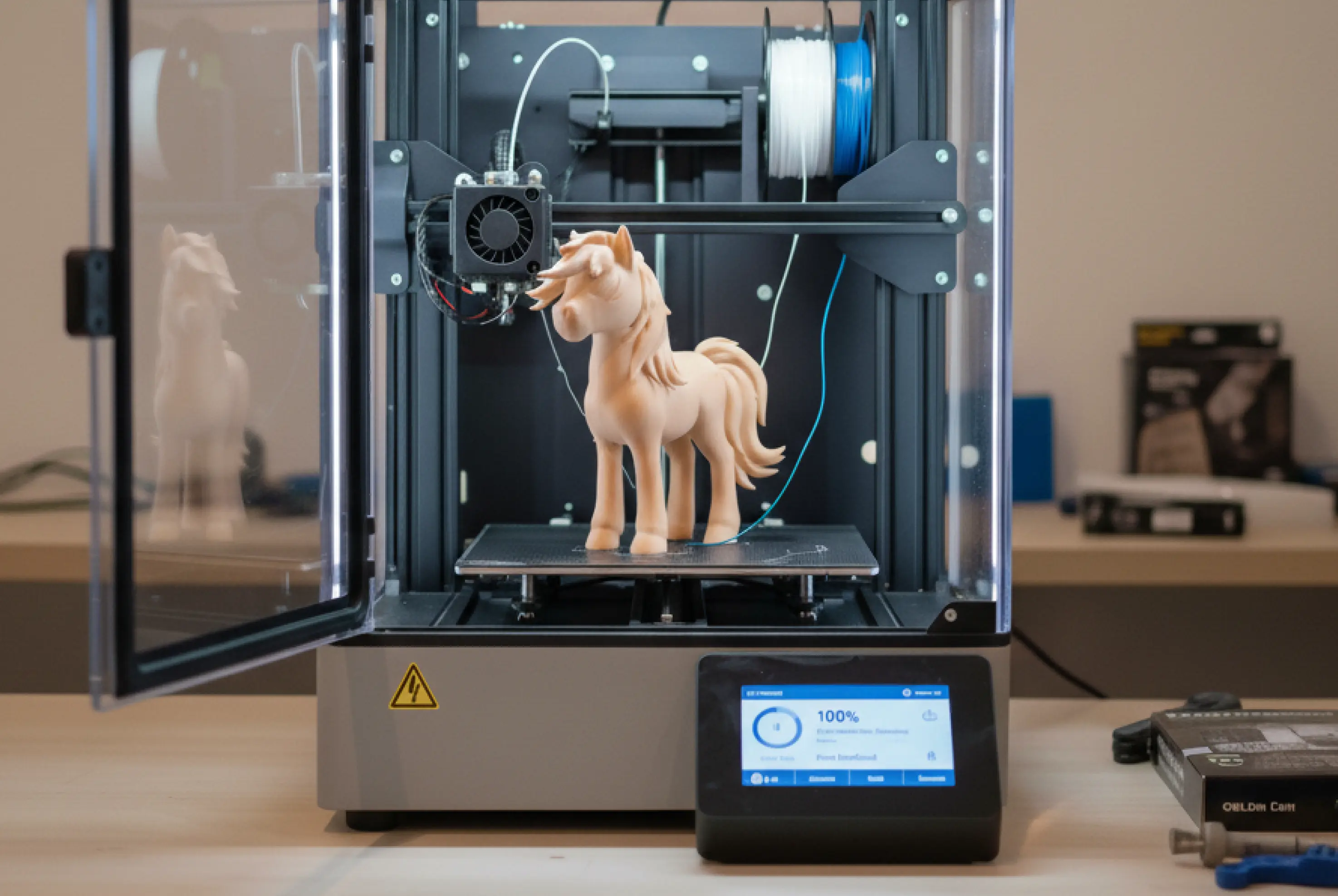
Get watertight models with solid forms that print well, even at small sizes.
Without further context (such as a specific author or video title), the most accurate report on this phrase is:
The number 13 often carries symbolic meaning. In some Delta oral traditions, 13 may refer to a specific year (e.g., 1913, 1973, 1993, or 2013) marked by a pivotal event: a treaty, a massacre, a youth protest, or a political realignment. Alternatively, 13 could denote a clan grouping, a sacred cycle in festivals (e.g., the biennial or 13-moon calendar), or even a code for a local uprising. Without exact documentation, 13 functions as a mnemonic anchor—a reminder that the triad “Eteima, Bonny, Wari” crystallizes around a specific historical moment when traditional, commercial, and modern identities clashed or converged.
The "Eteima Bonny" series is a prominent example of the growing trend of digital storytelling in Manipur. Historically, Manipuri literature has a rich tradition of oral storytelling and formal written work, but the advent of social media has birthed a subculture of informal, serialized fiction known as "wari".
Provokes active debate among conservative and progressive readers.
Eteima Bonny " is a popular series of romantic and emotional stories written in , typically shared across social media platforms like Facebook . The series, often associated with writers like Ravi Salam , explores the complex emotional dynamics and romantic tensions between the central characters, Bonny and the narrator. Summary of Eteima Bonny Series Themes
