
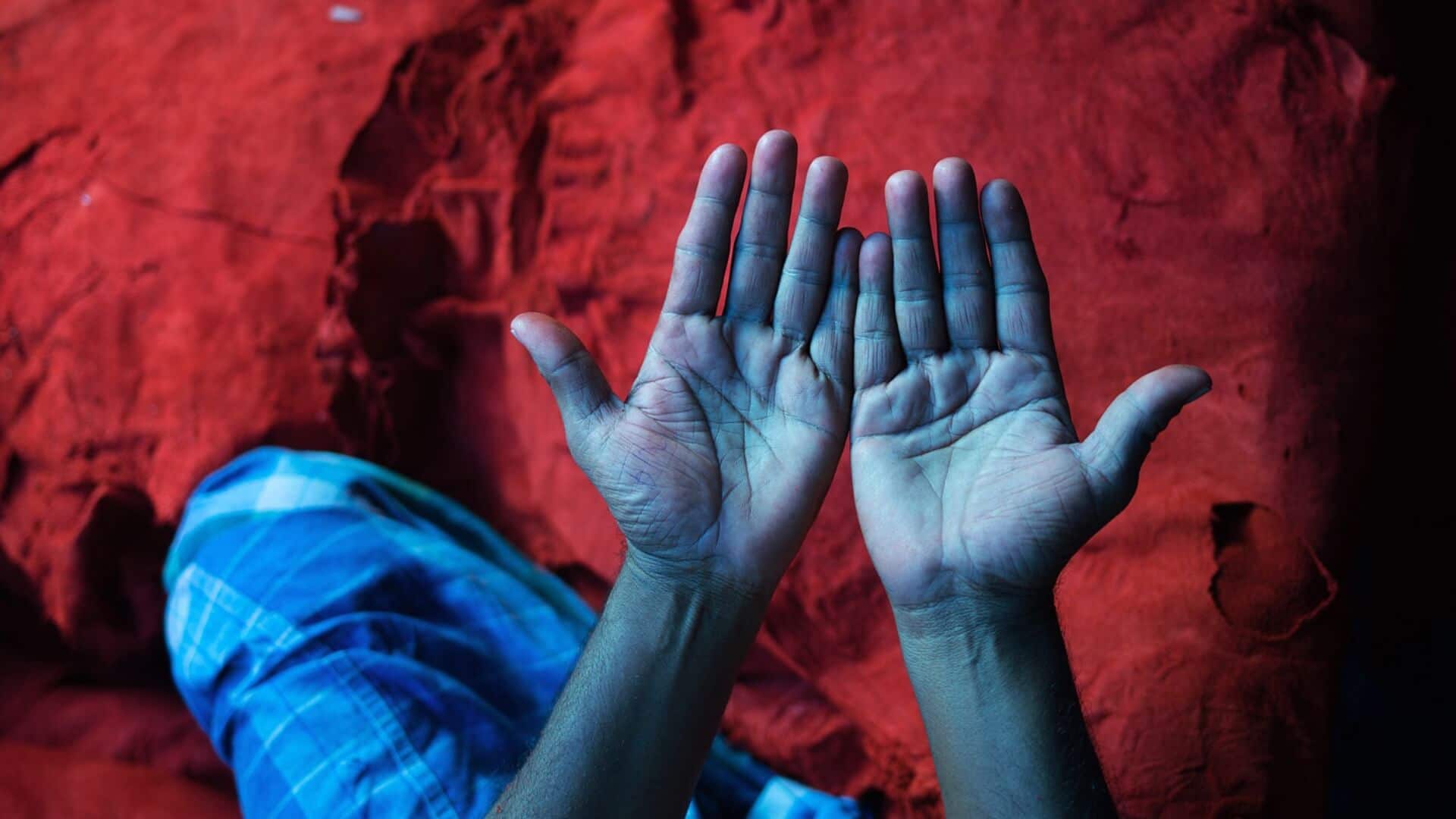
Below is a "solid piece"—a literary tribute in the form of a Manqabat/Noha
Syeda Shodai was a woman of this frontier. While the precise historical record is debated—a common trait of oral traditions—she is widely regarded as a figure of immense grace and tragedy. She was not a queen with armies, but a woman whose beauty and dignity attracted the gaze of a powerful adversary, leading to a chain of events that would immortalize her in song. ya syeda shodai
and is a prestigious honor in Islamic history bestowed upon individuals who made the ultimate sacrifice for their faith. Below is a "solid piece"—a literary tribute in
May we all find solace in her remembrance. and is a prestigious honor in Islamic history
When a qawwal sings "Ya Syeda Shodai," the rhythm slows. The harmonium holds a minor chord. The chorus repeats the phrase like a heartbeat. In the live mehfil-e-sama (audition gathering), grown men weep. The phrase creates a "hal" (spiritual state) where the barrier between the devotee and the Divine dissolves through the intercession of Fatima's sorrow.
A powerful example of a Noha containing similar invocations is "Assalamo Alaika Ya Syeda." The lyrics repeatedly cry out "Sayyeda ... Assalaam o Alaike Ya Sayyeda," sending salutations to her and recounting the suffering of her children. In these laments, a "Shodai" mourns the suffering of Imam Hussain and his family, expressing their grief and loyalty directly to the matriarch of this holy family.
: For the Dawoodi Bohra community, the recitation is a means of seeking spiritual proximity to the martyrs and reflecting on the sacrifices made for their faith.


