Awesome Features

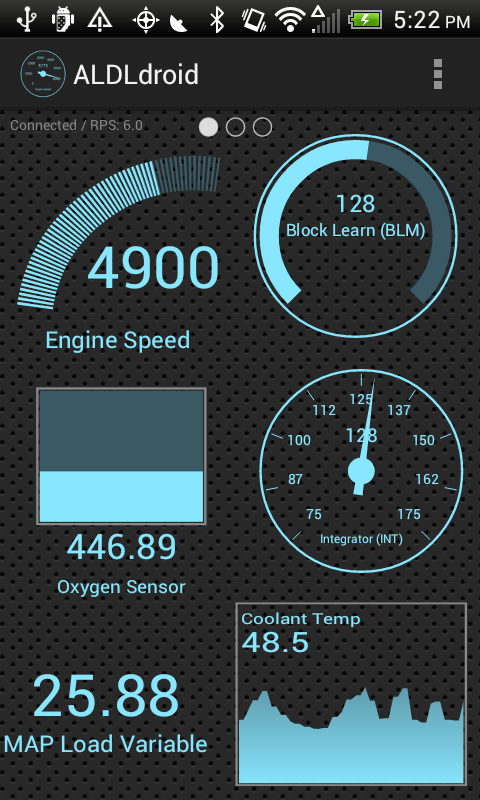
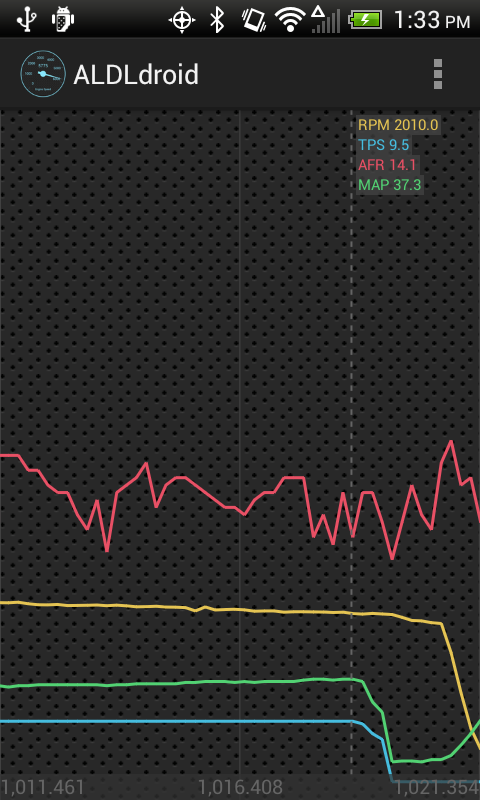
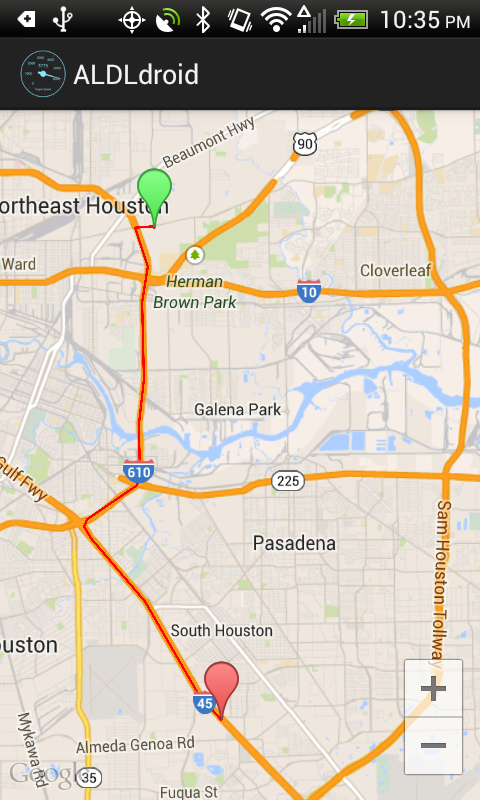
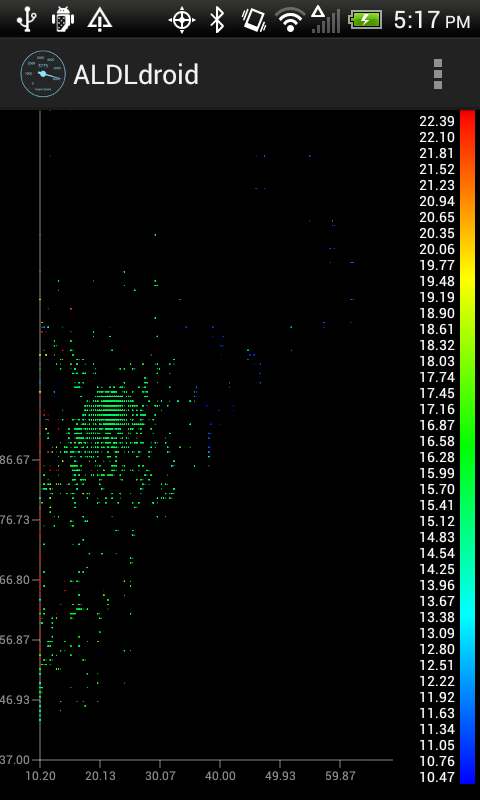
The application has three big components: dashboards where data coming from the ECU can be displayed in various formats, a tuning section and data log file viewers.

  • Fully customizable dashboards

    Customize the dashboards with any indicators you want to see

  • Display GPS / Accelerometer data

    Android sensors on your device are used to display useful GPS geolocation data (including speed) as well as triple axis accelerometer data (including g-force)

  • Head-up display

    Display the app in your windshield to see it at a glance

  • Multiple data log files viewers

    Look at the data you just data logged on your phone or tablet using the build-in time series, maps or scatter plot log viewers

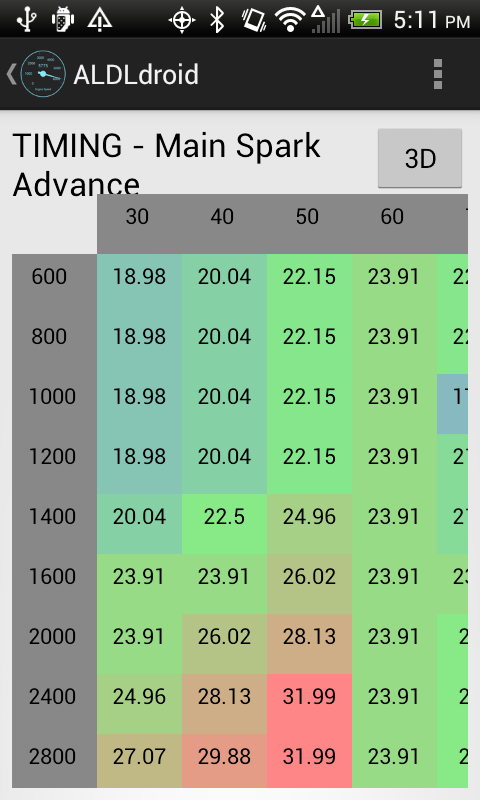
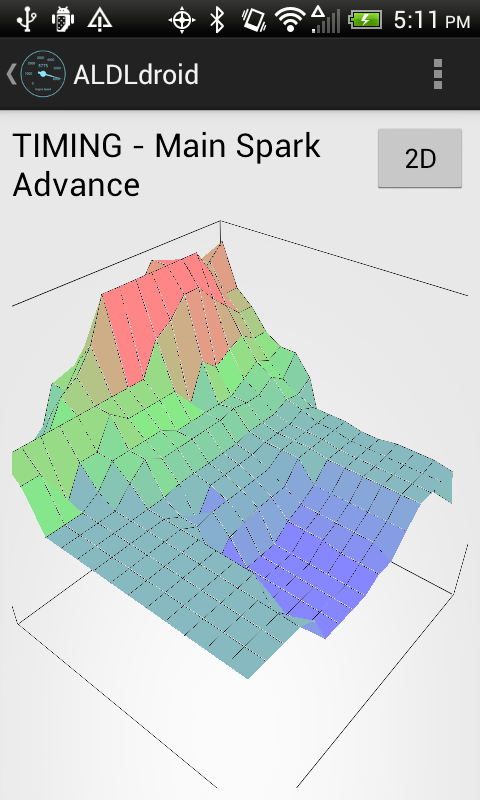
  • Real-time tuning

    Tune on the fly using supported real-time tuning hardware or edit a binary file to program a chip later

  • Responsive support

    We try to answer email from our customers as fast as we can, more often than not, we will answer within 24 hours

How It Works

The application uses ADX and XDF files which are files from TunerPro (Windows software). These files can be found on various sites such as TunerPro Web site itself, GearHead EFI forums as well as your cars enthusiasts forums related to your specific vehicle.

tps brass section module tps brass section module

Here is the easy steps that you can follow that will get you going

Steps

  • Find the ADX file for your vehicle. This is often the hardest part. Once your've found it, the rest is easy!

  • Install the ALDLdroid application from Google Play

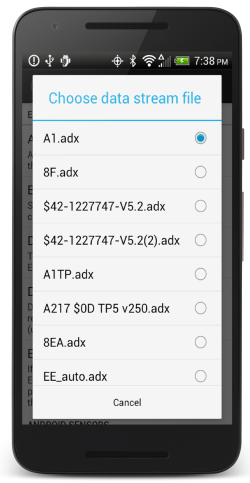
  • Use the Import Data stream feature of the application to import your ADX file.

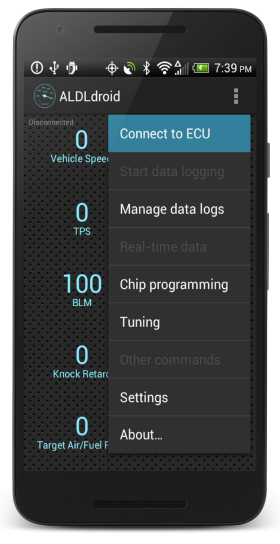
  • Connect the ALDL cable to your vehicle diagnostic port. Hit the Connect to ECU menu in the application and watch the data come in!

Hardware Supported

The application supports various hardware that can be wired or connected wirelessly to your Android device. Here is what is currently supported:

Data logging

Wired connection (USB) and wireless (Bluetooth) are both supported by the app. For Bluetooth, we suggest the Red Devil River adapters (or the 1320 electronics if you can find one used) and for USB, any FTDI (USB chip) based cable will do. :obd2allinone should have what you need.

Chip programming

It is possible to program chip for your ECU using the Moates BURN1 (discontinued), BURN2 as well as AutoProm.

Real-time tuning

For real-time tuning, the application currently support the Moates hardware as well. That is the Ostrich as well as the AutoProm.

NVRAM ECU

If you ECU is equipped with an NVRAM module for real-time tuning, that is also supported for some ECU. Mainly Australian ECUs at this point and more can be added as required.

tps brass section module

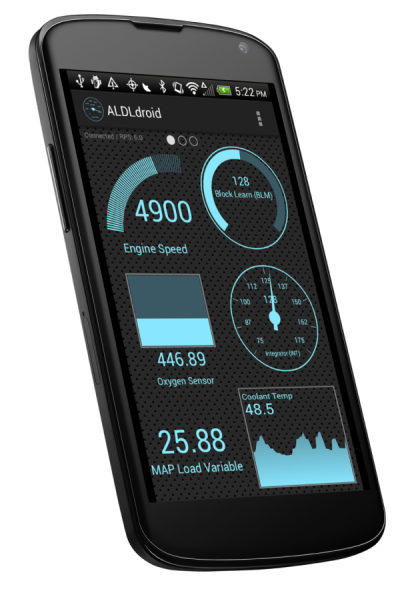
Application Screenshots

Some of the features described above can be seen on the screenshots below.

Customer Video

We love to see what our customers do with our application so here a video of Boosted & Built Garage and his pretty awesome setup.

Brass Section Module [hot] | Tps

| Instrument | Primary Mic | Distance | Alternative | |-------------|-------------|----------|-------------| | Trumpet | Dynamic (SM57) | 6–12 inches | Ribbon (Royer 121) | | Trombone | Large Diaphragm Condenser | 12–18 inches | SM7B | | Saxophones | Condenser (AKG C414) | 8–14 inches | MD 421 |

Historically, virtual brass has struggled with "the machine gun effect"—the repetitive, lifeless sound of the same sample being triggered. The TPS Brass Section Module addresses this through advanced scripting and multi-velocity layering, ensuring that every staccato stab and swelling crescendo feels organic. Unpacking the Core Features tps brass section module

Reedy, expressive woodwinds that blend seamlessly into pop and jazz sections. | Instrument | Primary Mic | Distance |

There is no widely recognized technical or historical concept known as the in standard manufacturing (such as the Toyota Production System) or musical contexts. There is no widely recognized technical or historical

The "TPS" in its name refers to a proprietary sampling technique that focuses on velocity layering and dynamic crossfading . Unlike older libraries that suffered from the "machine-gun effect" (repetitive attacks), TPS captures multiple round-robins and up to 12 distinct dynamic layers per note.

Installation is straightforward. The module runs as VST3, AU, or AAX. It is surprisingly light on CPU compared to something like a full orchestral template. Here is a typical workflow for a hip-hop or trap producer using the TPS Brass Section Module:

Instead of requiring you to load separate instruments and manually arrange them, this module lets you play fully voiced chords and stabs instantly. It is built specifically for genres that rely on punchy, energetic horn sections, such as pop, funk, soul, R&B, and jazz. Key Features and Architecture 1. Multi-Instrument Engine
Contact Us

Subscribe to our email newsletter for useful tips and resources.