From Photo to String Art
Drop your image here
or click to browse files
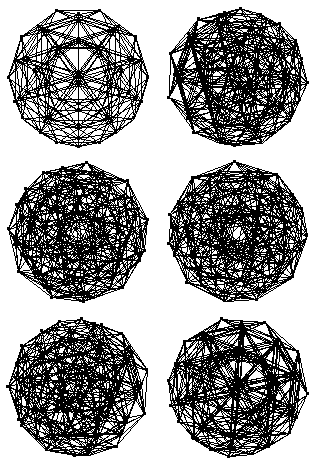
Upload any image and watch it transform into a stunning thread-based masterpiece. Perfect for artists, crafters, and anyone who loves unique wall art.
From Photo to String Art
Drop your image here
or click to browse files
Simply drag & drop or select any image from your device. Works with portraits, landscapes, pets, and more
Our advanced algorithm analyzes your image and creates the perfect string art pattern with optimal thread placement
Follow the step-by-step guide to create your physical string art masterpiece with the generated pin sequence.
String art is a geometric art form that creates stunning visual patterns using only threads or strings wrapped around nails or pins placed on a board. This nail and string art technique, also known as pin and thread art, transforms simple materials into complex, beautiful designs through mathematical precision and artistic vision.
Originally developed in the 1960s by mathematician Mary Everest Boole, modern string art has evolved to incorporate advanced continuous line algorithms that optimize thread placement for maximum visual impact. Our string art generator utilizes sophisticated computational methods to analyze your photos and generate precise nail-to-nail sequences, making it accessible for both beginners exploring string art ideas and experienced artists creating professional string art patterns.
Whether you're working with traditional string art kits or creating custom string art designs, this ancient craft combines mathematical precision with artistic expression, resulting in unique wall art that captures light and shadow in remarkable ways.
The social media discussion that erupts in the comment sections of these videos further illustrates a concerning desensitization. What should be recognized as a tragic, deeply personal failure of trust is instead memed, analyzed, and debated as if it were a piece of fiction or a sporting event. Commentators dissect the body language, critique the filming angles, and use the event to project their own insecurities and relationship traumas onto strangers. This constant exposure to extreme interpersonal conflict normalizes toxicity. It fosters a cynical worldview where loyalty is viewed as a myth, and the immediate public destruction of a partner is seen as a justified, even expected, response to infidelity.
Not all responses are harsh. When a Nigerian lecturer posted a TikTok video from an exam hall with the caption, "The question is too hard… Make I pretend to answer call outside so I go allow these students cheat small. I dey feel their pain," the comment section was divided between laughter and concern. Some found it relatable: "This lecturer na real one, he understands the wahala wey students dey face." Others warned against normalizing malpractice: "Even as joke, no encourage exam malpractice. Na serious business be this o."
This public link is valid for 7 days and shares a thread, including any personal information you added. This link or copies made by others cannot be deleted. If you share with third parties, their policies apply. Can’t copy the link right now. Try again later.
Creating an article optimized for that search term would risk:
In the digital age, the smartphone has transitioned from a mere communication device to an omnipresent extension of the human self. It is a recorder of our highest triumphs and, increasingly, a witness to our deepest moral failures. Among the most pervasive—and psychologically complex—genres of viral content is the "caught cheating" mobile video. Typically characterized by shaky footage, muffled audio, and sudden, violent emotional outbursts, these videos rake in millions of views across platforms like TikTok, X (formerly Twitter), and Reddit. While often dismissed as trivial "internet drama," the viral proliferation of these videos demands serious scrutiny. They are not merely passive entertainment; they are a disturbing reflection of modern voyeurism, the commodification of trauma, and the ethical erosion inherent in algorithmic social media ecosystems.
Strategic tagging using high-traffic terms to push the video into algorithmic recommendations. The Amplification
It was supposed to be a prank. A fifteen-second clip, shot on Riya’s new phone, that would make her friend Kiran jump out of her skin.


The social media discussion that erupts in the comment sections of these videos further illustrates a concerning desensitization. What should be recognized as a tragic, deeply personal failure of trust is instead memed, analyzed, and debated as if it were a piece of fiction or a sporting event. Commentators dissect the body language, critique the filming angles, and use the event to project their own insecurities and relationship traumas onto strangers. This constant exposure to extreme interpersonal conflict normalizes toxicity. It fosters a cynical worldview where loyalty is viewed as a myth, and the immediate public destruction of a partner is seen as a justified, even expected, response to infidelity.
Not all responses are harsh. When a Nigerian lecturer posted a TikTok video from an exam hall with the caption, "The question is too hard… Make I pretend to answer call outside so I go allow these students cheat small. I dey feel their pain," the comment section was divided between laughter and concern. Some found it relatable: "This lecturer na real one, he understands the wahala wey students dey face." Others warned against normalizing malpractice: "Even as joke, no encourage exam malpractice. Na serious business be this o."
This public link is valid for 7 days and shares a thread, including any personal information you added. This link or copies made by others cannot be deleted. If you share with third parties, their policies apply. Can’t copy the link right now. Try again later.
Creating an article optimized for that search term would risk:
In the digital age, the smartphone has transitioned from a mere communication device to an omnipresent extension of the human self. It is a recorder of our highest triumphs and, increasingly, a witness to our deepest moral failures. Among the most pervasive—and psychologically complex—genres of viral content is the "caught cheating" mobile video. Typically characterized by shaky footage, muffled audio, and sudden, violent emotional outbursts, these videos rake in millions of views across platforms like TikTok, X (formerly Twitter), and Reddit. While often dismissed as trivial "internet drama," the viral proliferation of these videos demands serious scrutiny. They are not merely passive entertainment; they are a disturbing reflection of modern voyeurism, the commodification of trauma, and the ethical erosion inherent in algorithmic social media ecosystems.
Strategic tagging using high-traffic terms to push the video into algorithmic recommendations. The Amplification
It was supposed to be a prank. A fifteen-second clip, shot on Riya’s new phone, that would make her friend Kiran jump out of her skin.
This string art patterns generator builds upon the pioneering work of the open-source community and mathematical research in computational geometry:
MIT License - This project is open source and available under the MIT License.
Source Code: Available on GitHub Pages with full source transparency
Attribution: When sharing or modifying, please credit StringAr.com and maintain license notices
Commercial Use: Permitted under MIT terms - feel free to use for commercial string art projects
Our enhancements to the original algorithms include: