From colorful LED strip lights to smart voice-controlled systems, EasyLink delivers full-category ambient lighting solutions trusted by clients in over 100 countries.
From home decoration to commercial venues, from automotive interiors to holiday celebrations, our solutions cover every lighting need you can imagine.
Popular
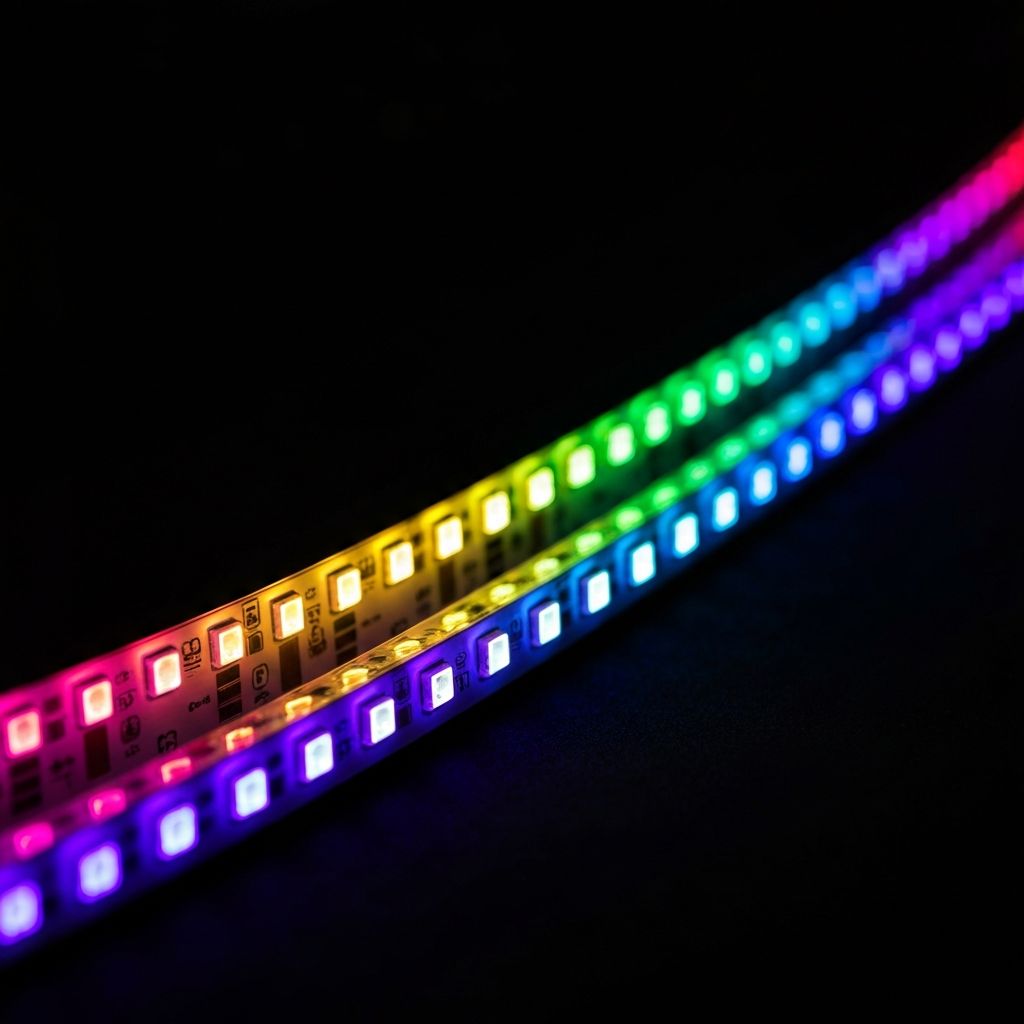
High-quality LED chips delivering gradient, flashing, and breathing modes. Supports DIY cutting, app control, 2.4G and IR remote options.
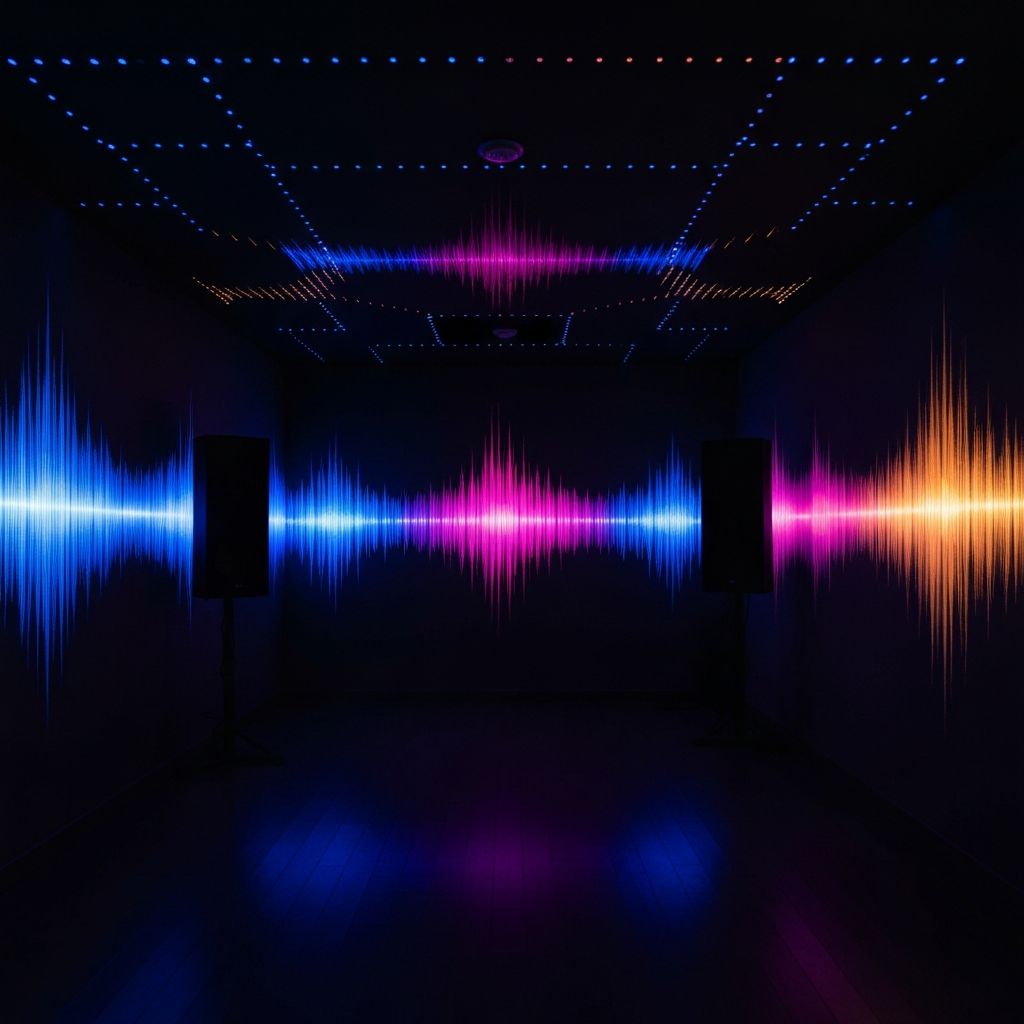
Built-in high-sensitivity microphone captures sound in real time. Lights pulse to beats and frequencies — perfect for parties and livestream studios.
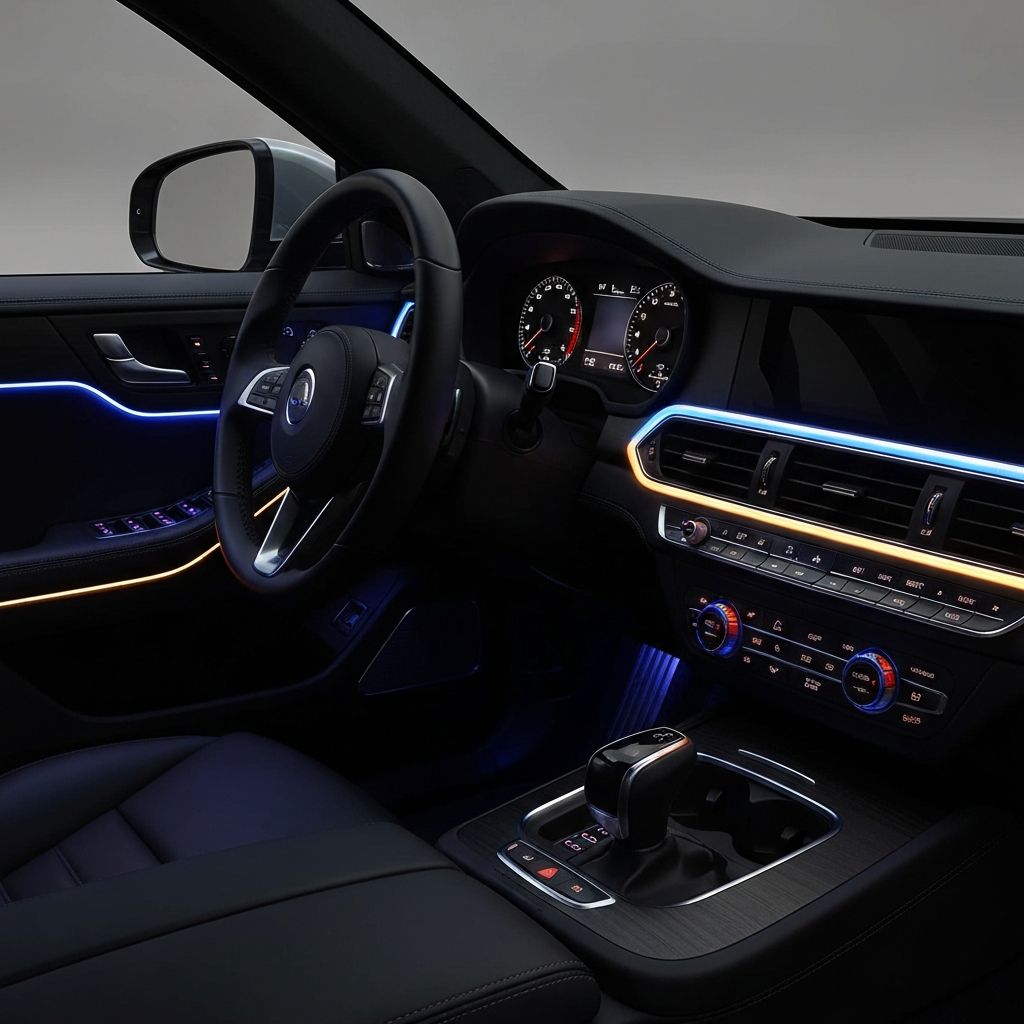
Ultra-thin, automotive-grade LED systems for dashboards, doors, and footwells. Multi-zone independent control with music rhythm mode.
We combine deep technical expertise with a customer-first approach to deliver lighting solutions that exceed expectations.
Our dedicated research team continuously pushes the boundaries of LED technology. We hold multiple patents in smart lighting control and color rendering, ensuring our solutions remain at the industry forefront.
Every product undergoes a 6-stage quality inspection process — from raw material testing through aging tests to final packaging checks. We maintain less than 0.3% defect rate across all product lines.
Need a specific color temperature, length, IP rating, or connector type? Our engineering team works closely with you to design bespoke solutions tailored to your exact project requirements.
With clients in over 100 countries and products certified to international standards including CE, FCC, and RoHS, we are equipped to serve markets worldwide with reliable logistics support.
Our proprietary app platform supports iOS and Android, enabling users to control lighting via Wi-Fi, Bluetooth, or 2.4G. We also offer white-label app customization for brand partners.
Our dedicated support team provides round-the-clock assistance. From pre-sales consultation to after-sales troubleshooting, we ensure a smooth experience at every stage of your project.
Hear from our partners who have transformed their products and spaces with EasyLink lighting solutions.
EasyLink helped us develop a complete product line of smart LED strip lights in just 8 weeks. Their app customization capability was the key differentiator for our brand in the North American market.
The in-car ambient lighting solution exceeded our expectations. The ultra-thin design integrates seamlessly into our vehicle interior, and customers love the music sync feature.
We have been working with EasyLink for three years. Their consistent quality and willingness to customize even small orders has made them our go-to LED supplier for all ambient lighting projects.
When you build a using an FPGA replicating the ULA, you are not just copying a circuit. You are reincarnating a philosophy: How much can one chip do? You become intimate with the Z80’s timing diagrams, the agony of the 4us refresh window, and the joy of a crisp, 8x8 attribute clash.
use the Pico to emulate the Z80 and ULA in software, outputting to a small IPS display. Portability: When you build a using an FPGA replicating
Since original Ferranti ULA chips were hard to find, he decided to use a modern CPLD (Complex Programmable Logic Device) to mimic the old silicon's logic [4]. The Screen: Instead of a heavy CRT television, he wired up a 3.5-inch used for car backup cameras. He swapped the bulky power brick for a Lithium-Polymer battery use the Pico to emulate the Z80 and
This public link is valid for 7 days and shares a thread, including any personal information you added. This link or copies made by others cannot be deleted. If you share with third parties, their policies apply. Can’t copy the link right now. Try again later. He swapped the bulky power brick for a
You can replicate the ULA's functions using standard, off-the-shelf logic chips.
Furthermore, the video signal generation of the ULA provides a specific hurdle—and opportunity—for portable design. The original ULA generated a PAL RF signal or composite video, intended for CRT televisions. Modern portable devices utilize LCD or OLED panels. A direct port of ULA logic to an FPGA would result in a raw digital video stream, which requires a controller to scale it to a modern resolution. Here, the modern designer must iterate on the ULA concept: retaining the logic that defines the machine’s identity (the exact pixel timing that creates the "flash" attribute effect) while discarding the analog output stage in favor of direct digital drive to a modern screen.